✨ New Arrivals Just Dropped!Explore
Ragam Ni Si Marian
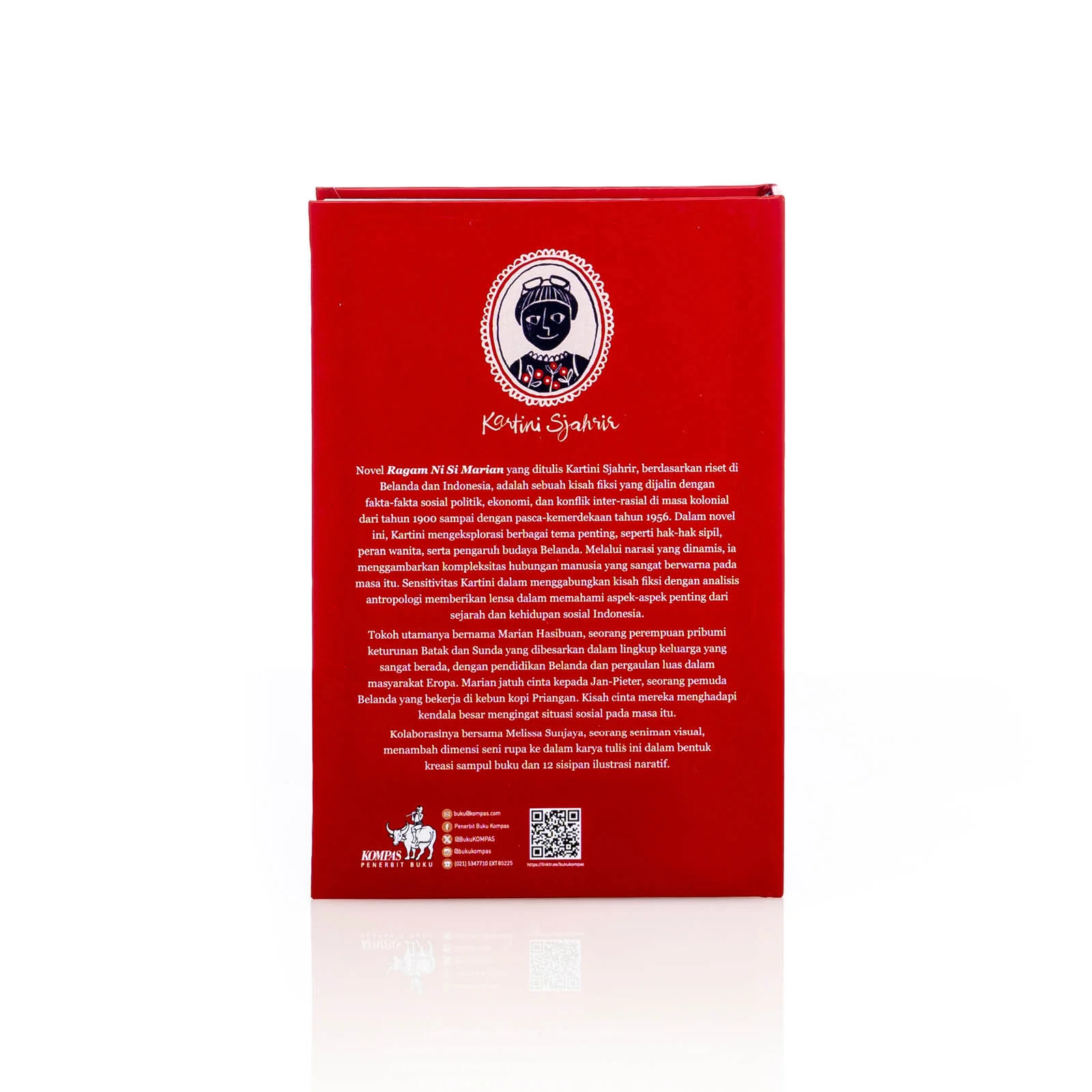
The novel ‘Ragam Ni Si Marian’, written by Kartini Sjahrir, based on research conducted in the Netherlands and Indonesia, is a work of fiction interwoven with social, political, economic, and inter-racial conflict facts during the colonial period from 1900 to the post-independence year of 1956. In this novel, Kartini explores various essential themes such as civil rights, the role of women, and the influence of Dutch culture. Through a dynamic narrative, she depicts the complexity of colourful human relationships during that era. Kartini’s sensitivity in combining fiction with anthropological analysis provides a lens for understanding crucial aspects of Indonesian history and social life.
The main character is Marian Hasibuan, a native woman of Batak and Sundanese descent, raised in a wealthy family with a Dutch education and extensive social interactions in European society. Marian falls in love with Jan-Pieter, a Dutch youth working in the coffee plantations of Priangan. Their love story faces significant obstacles, given the social circumstances of that time.
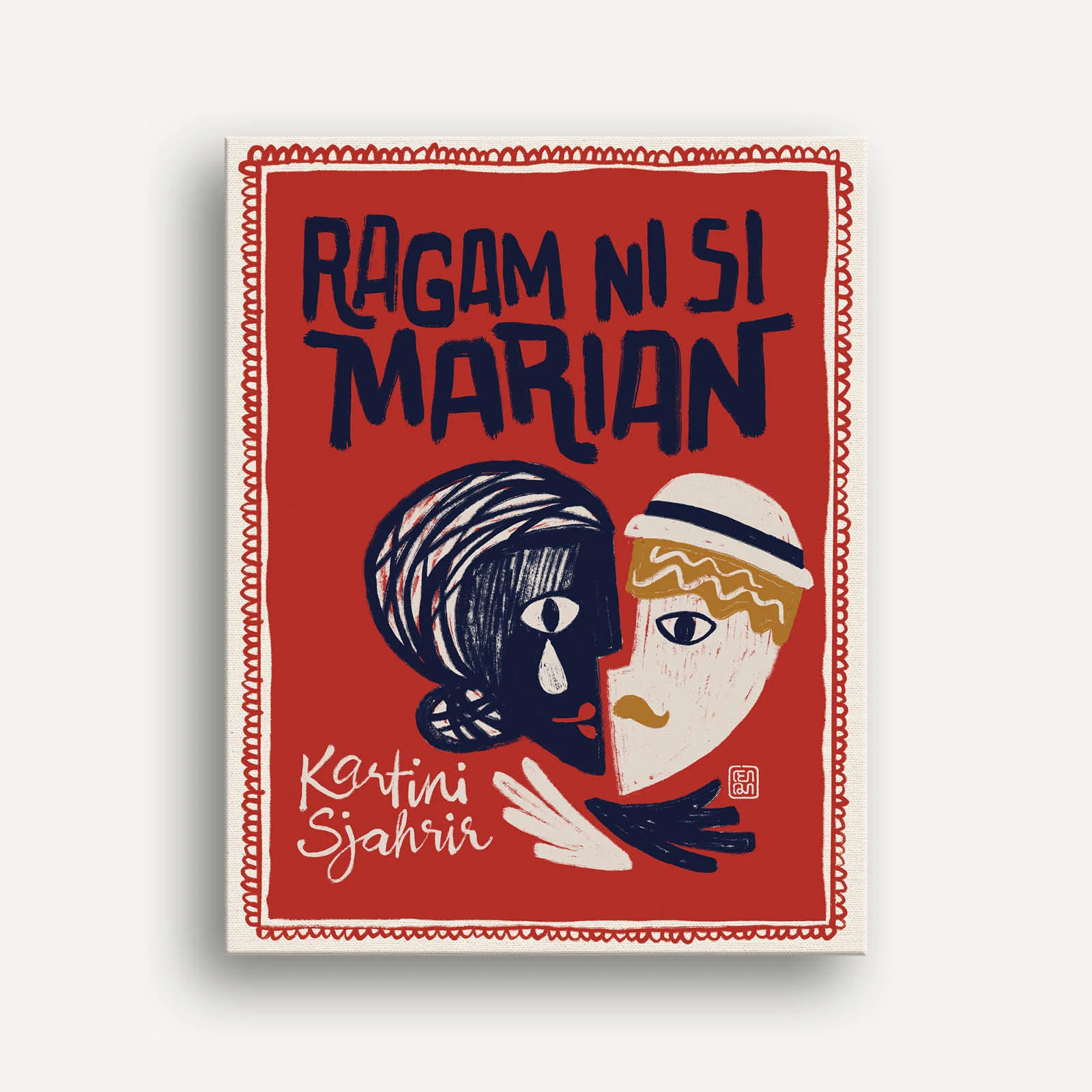
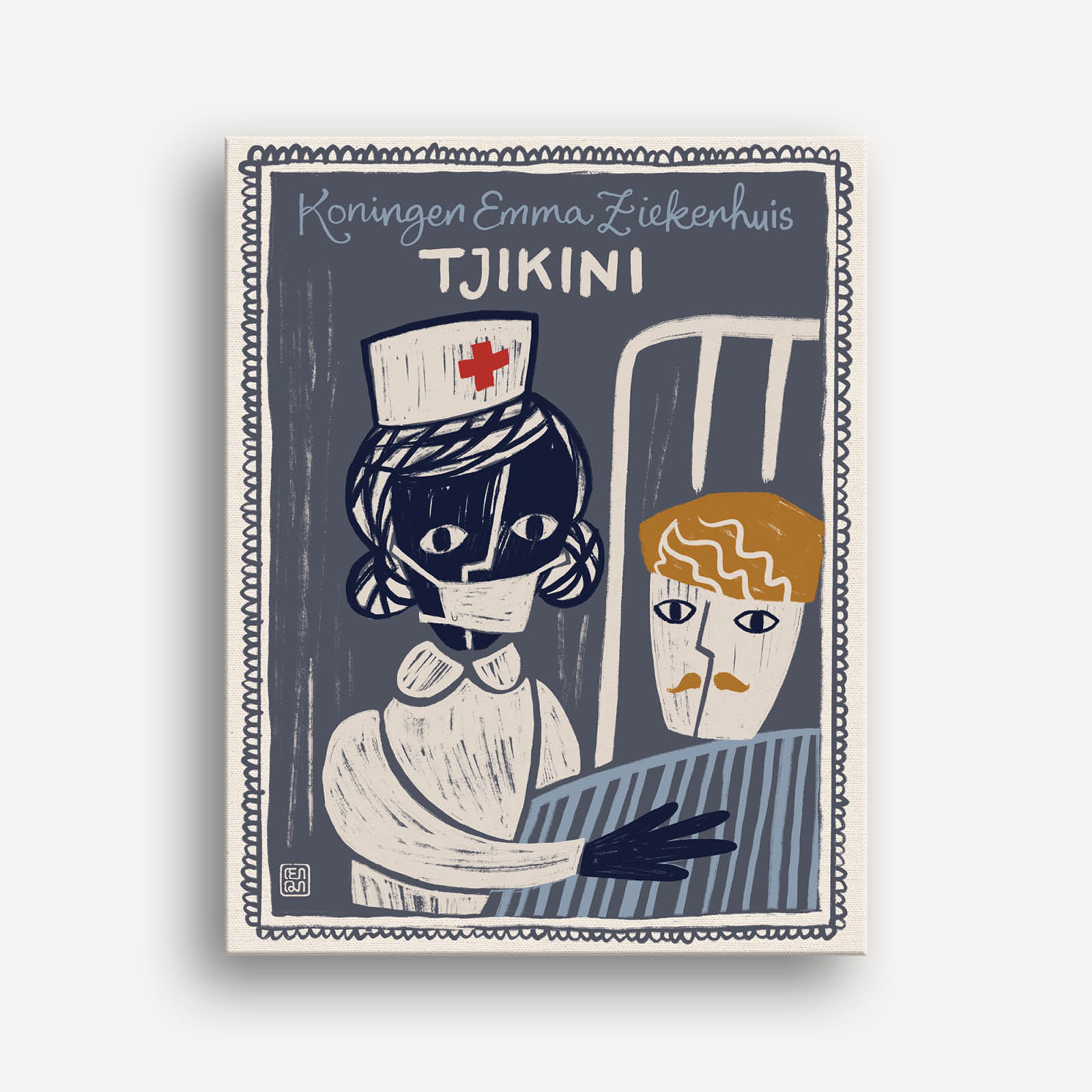
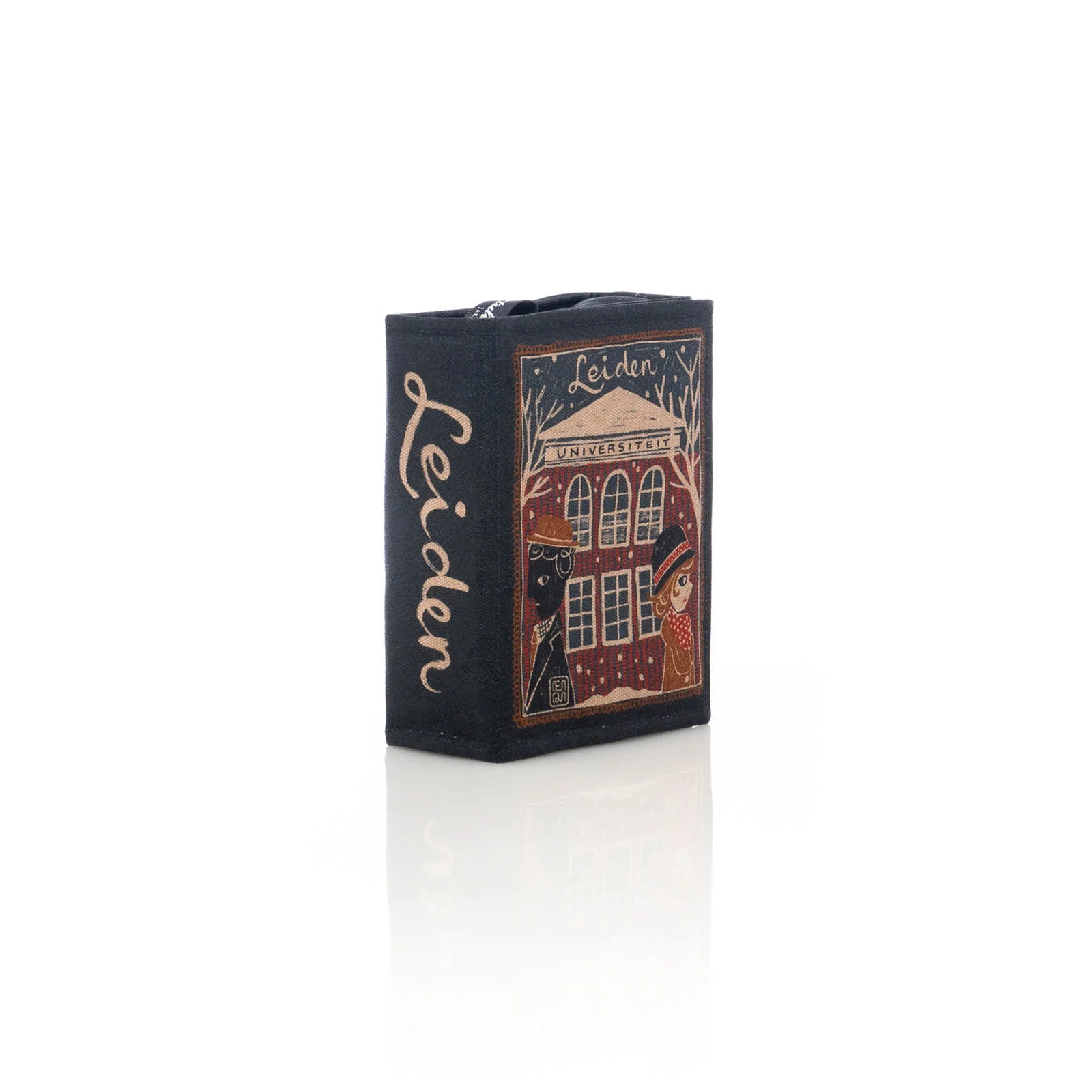
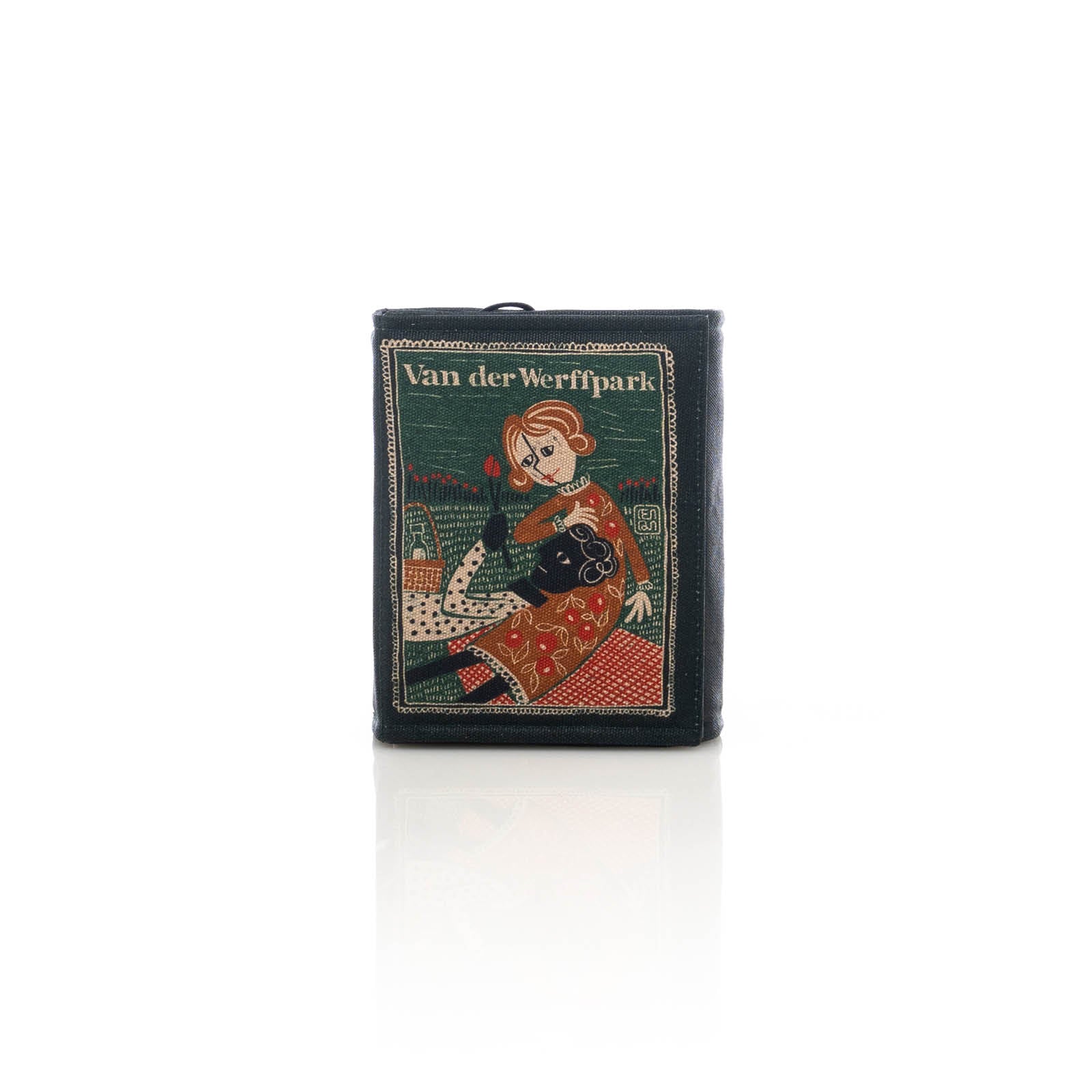
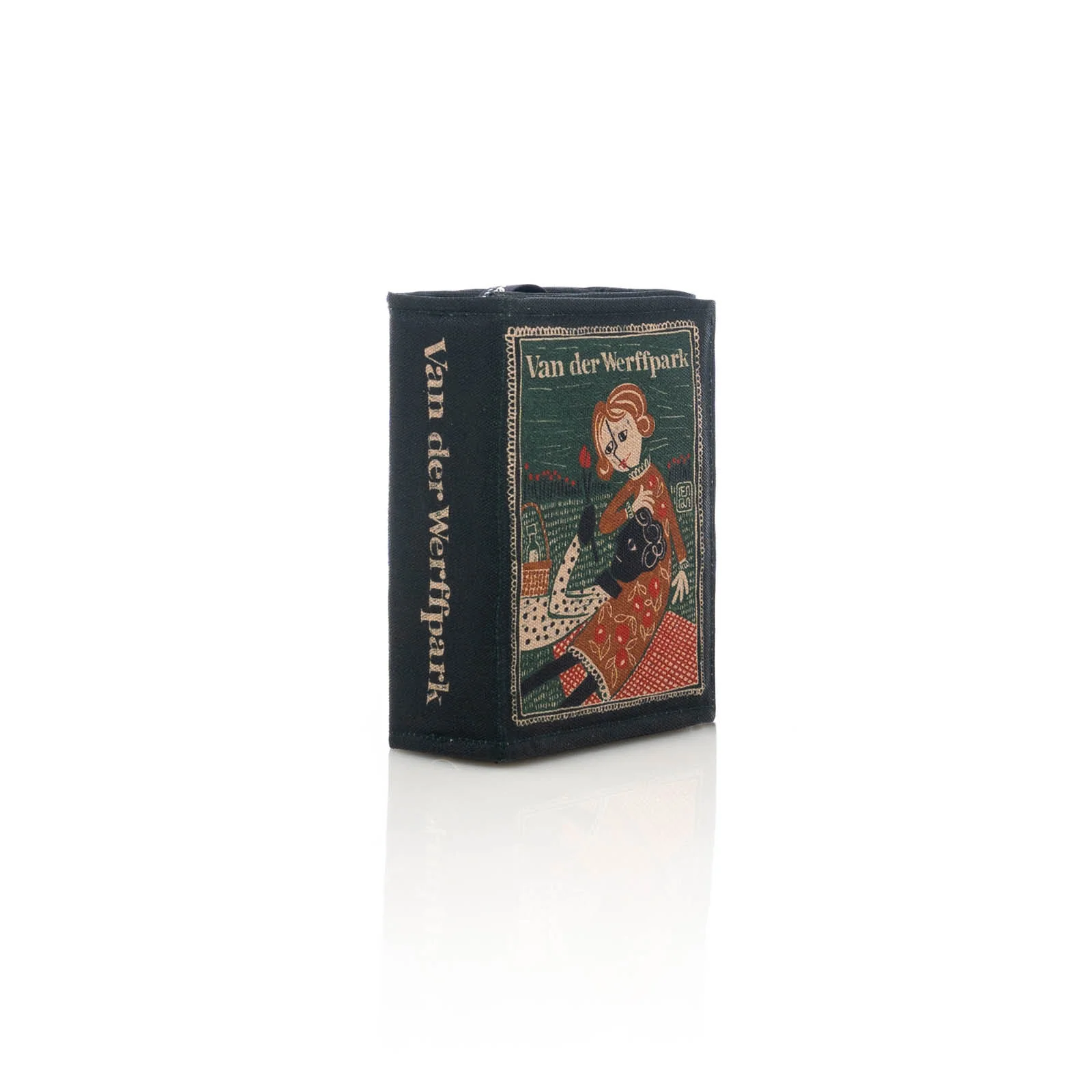
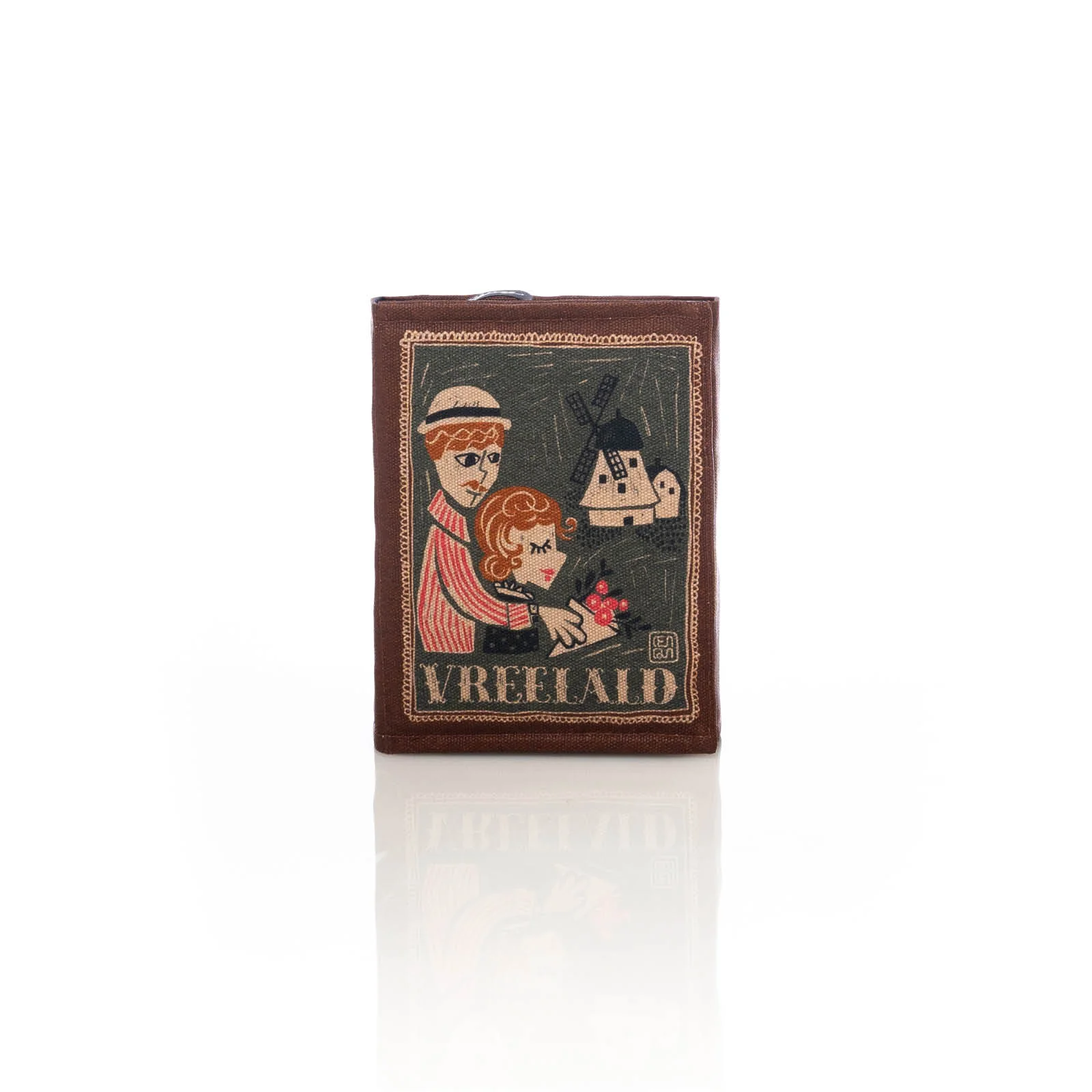
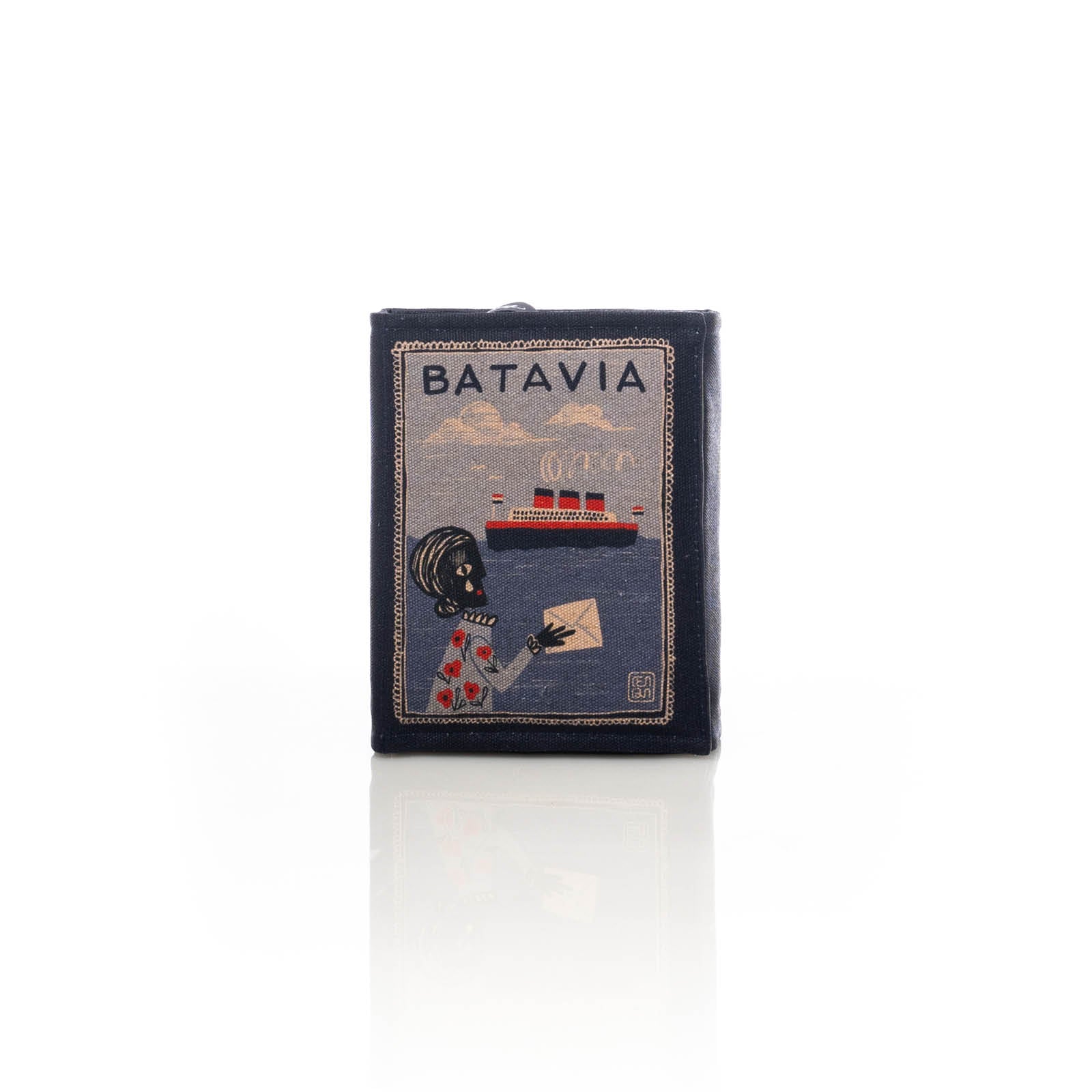
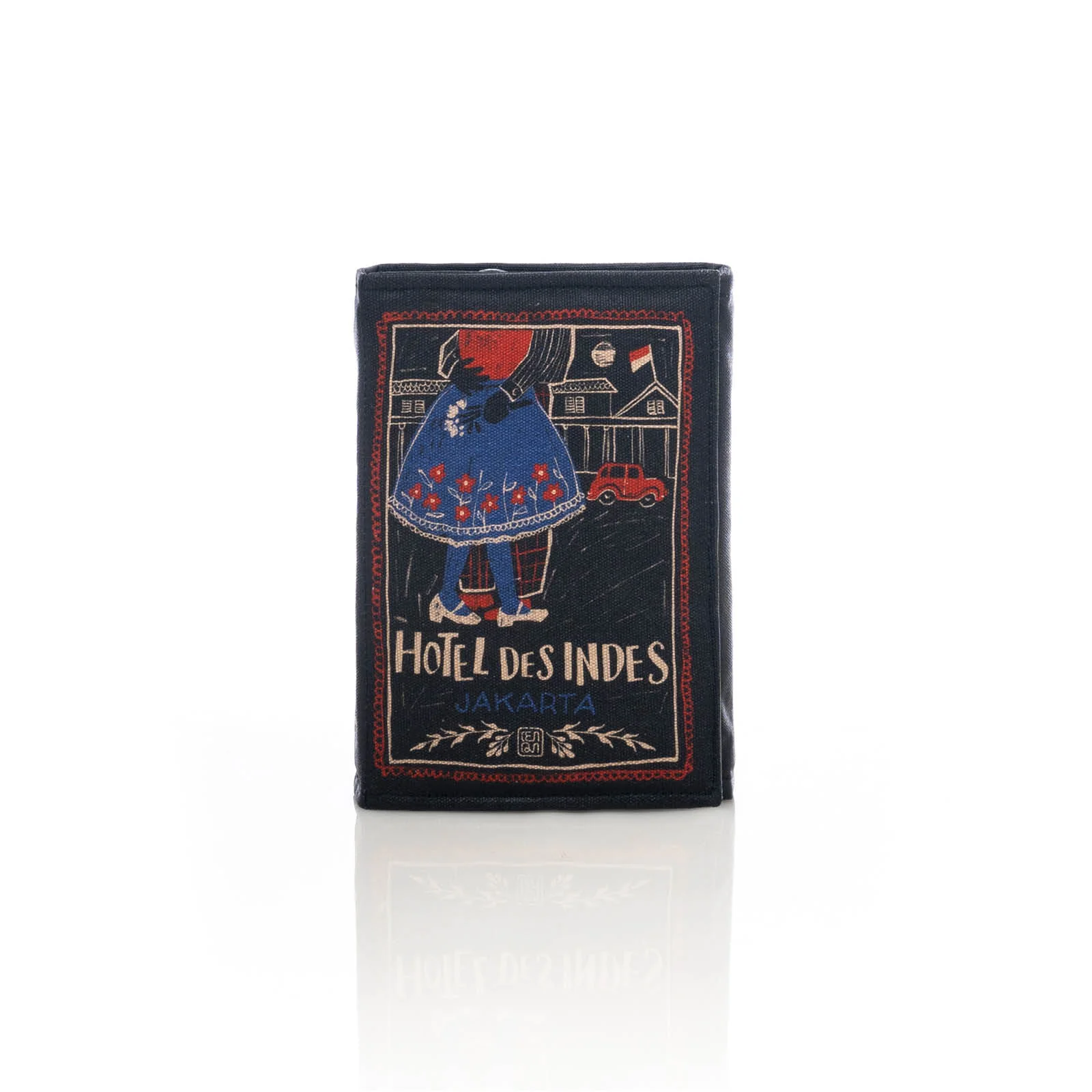
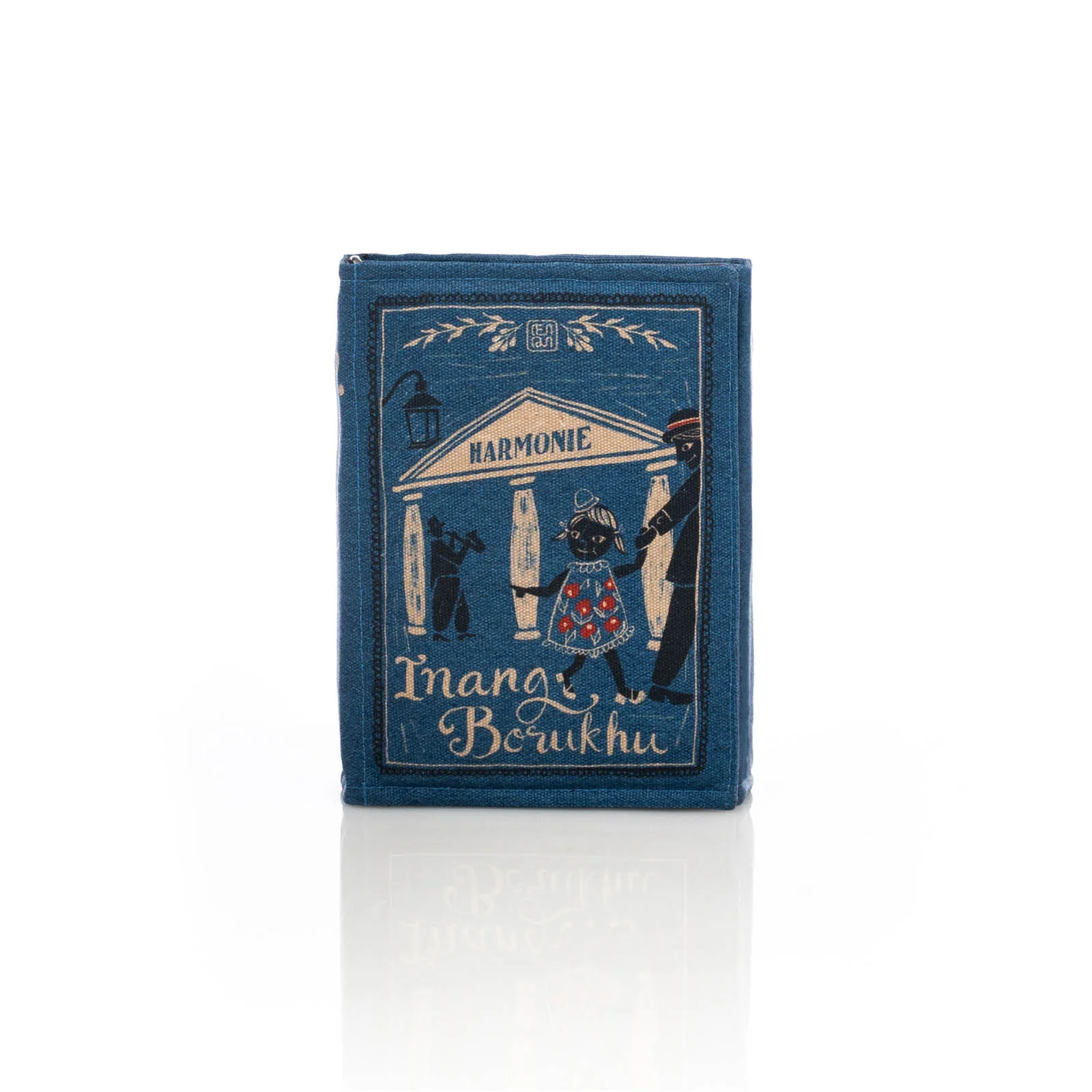
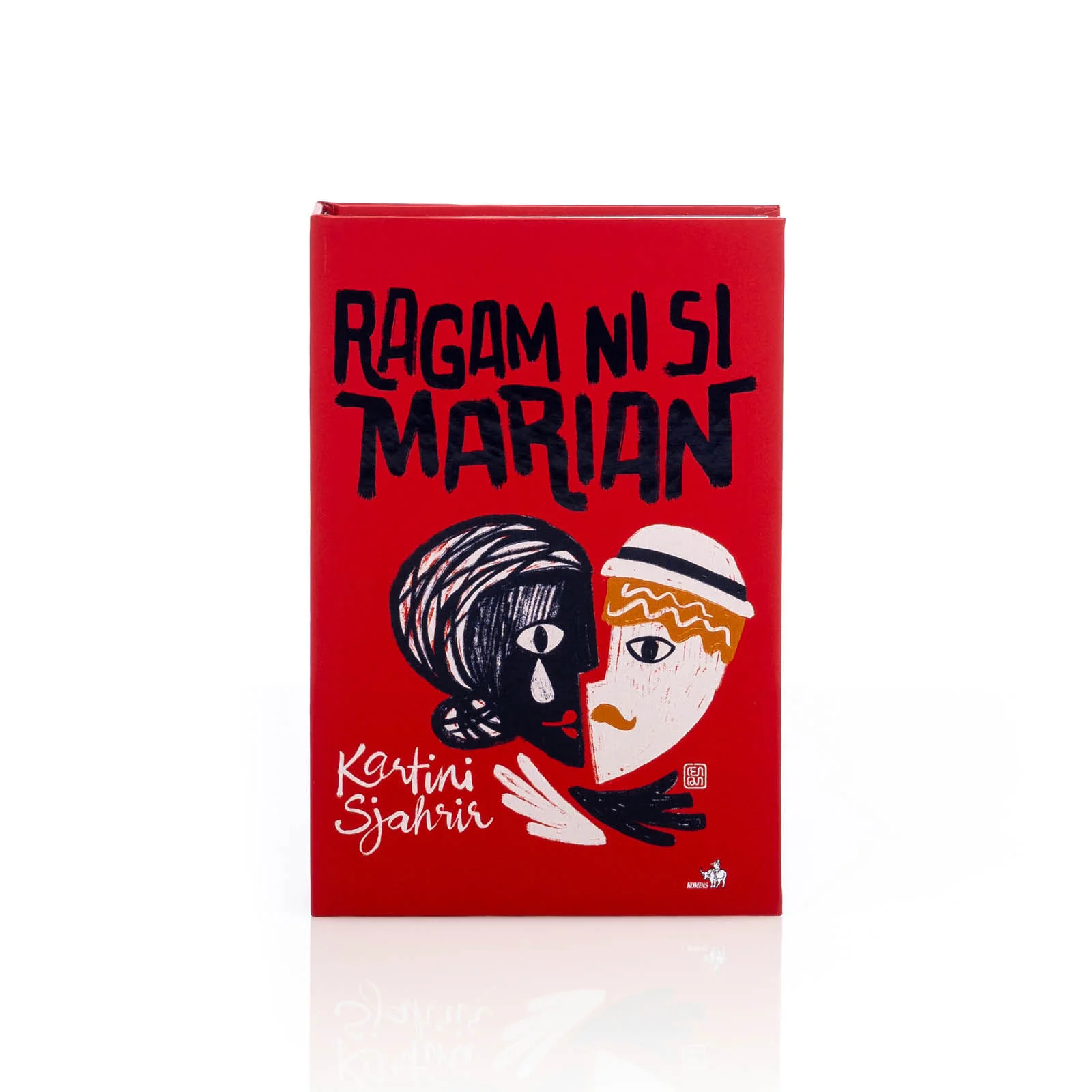
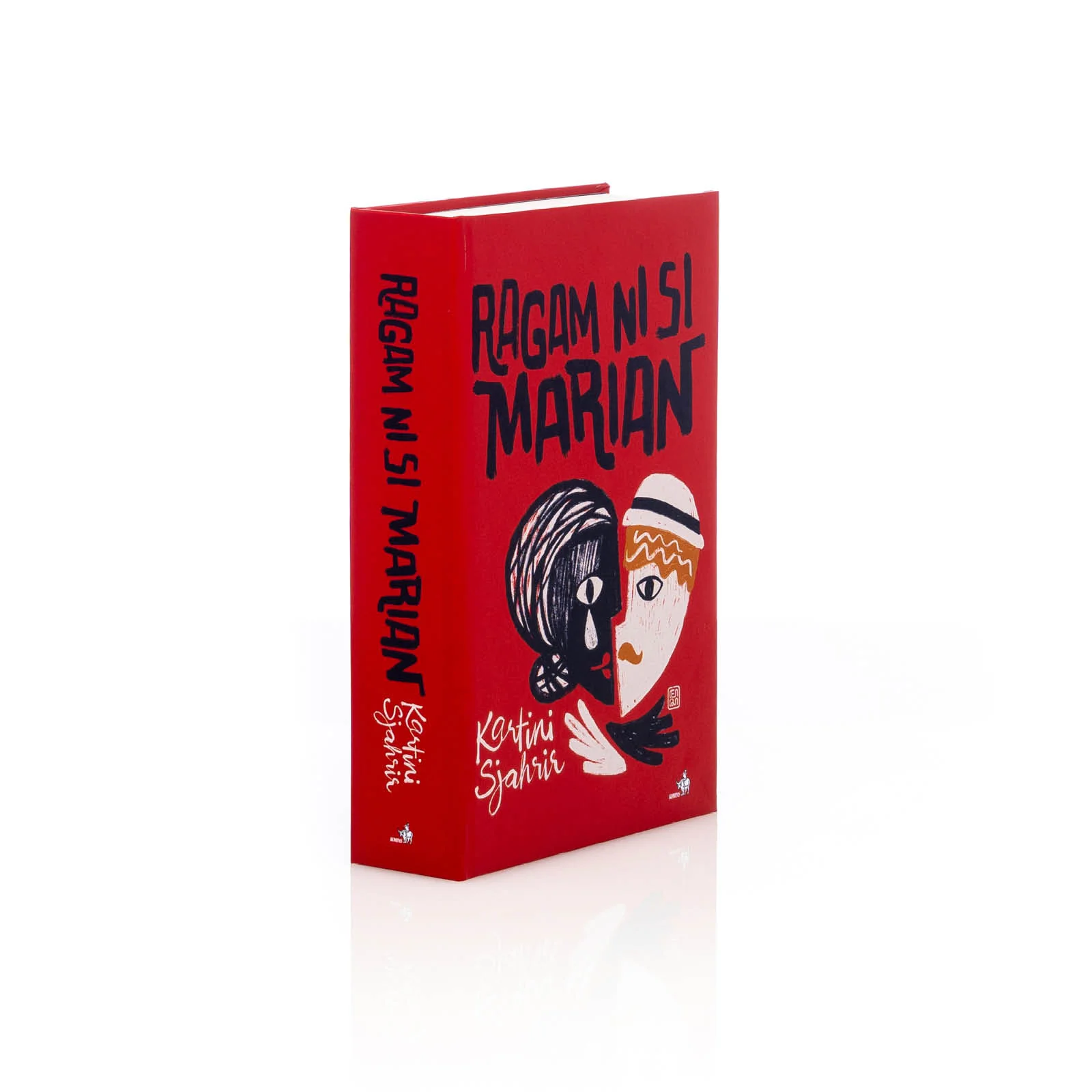
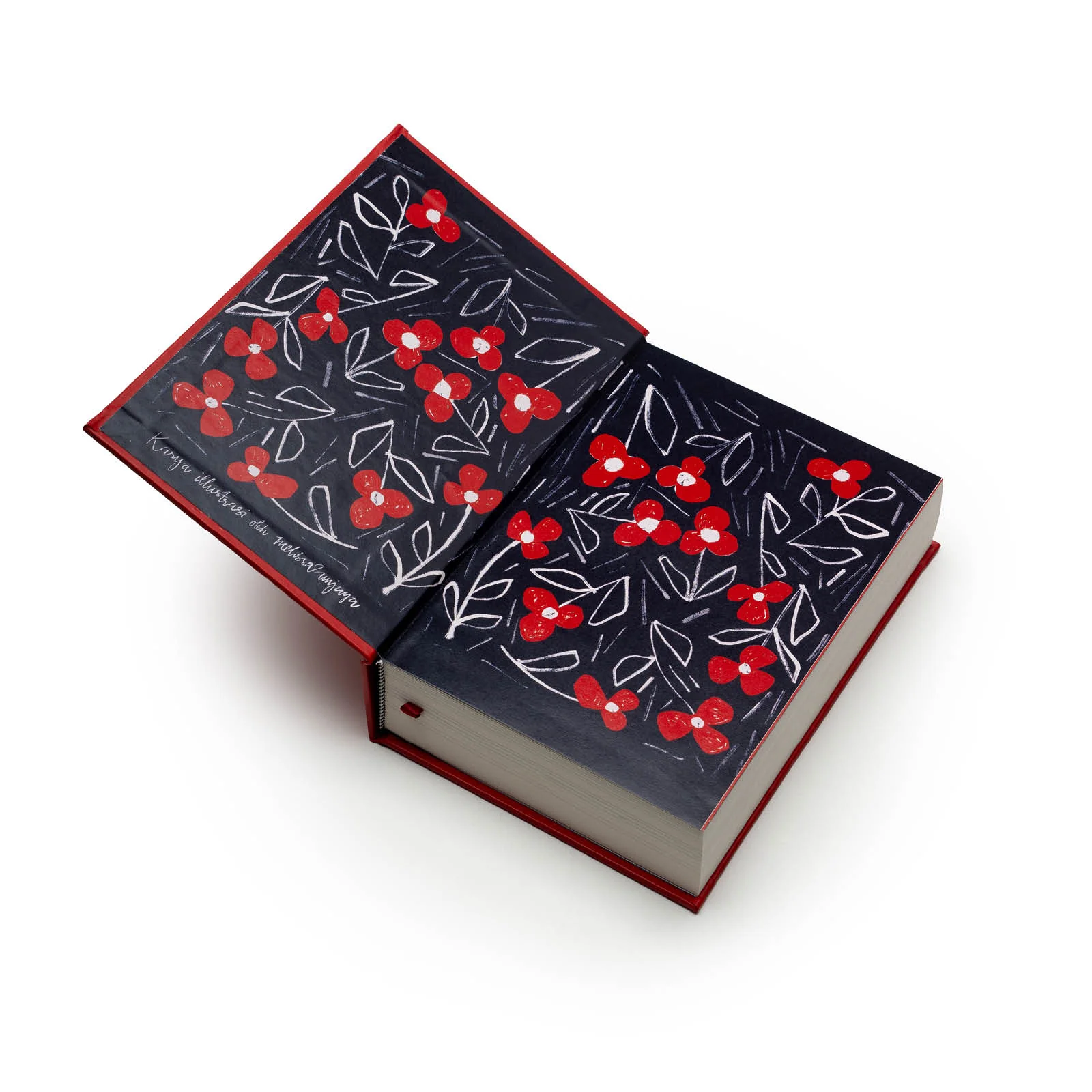
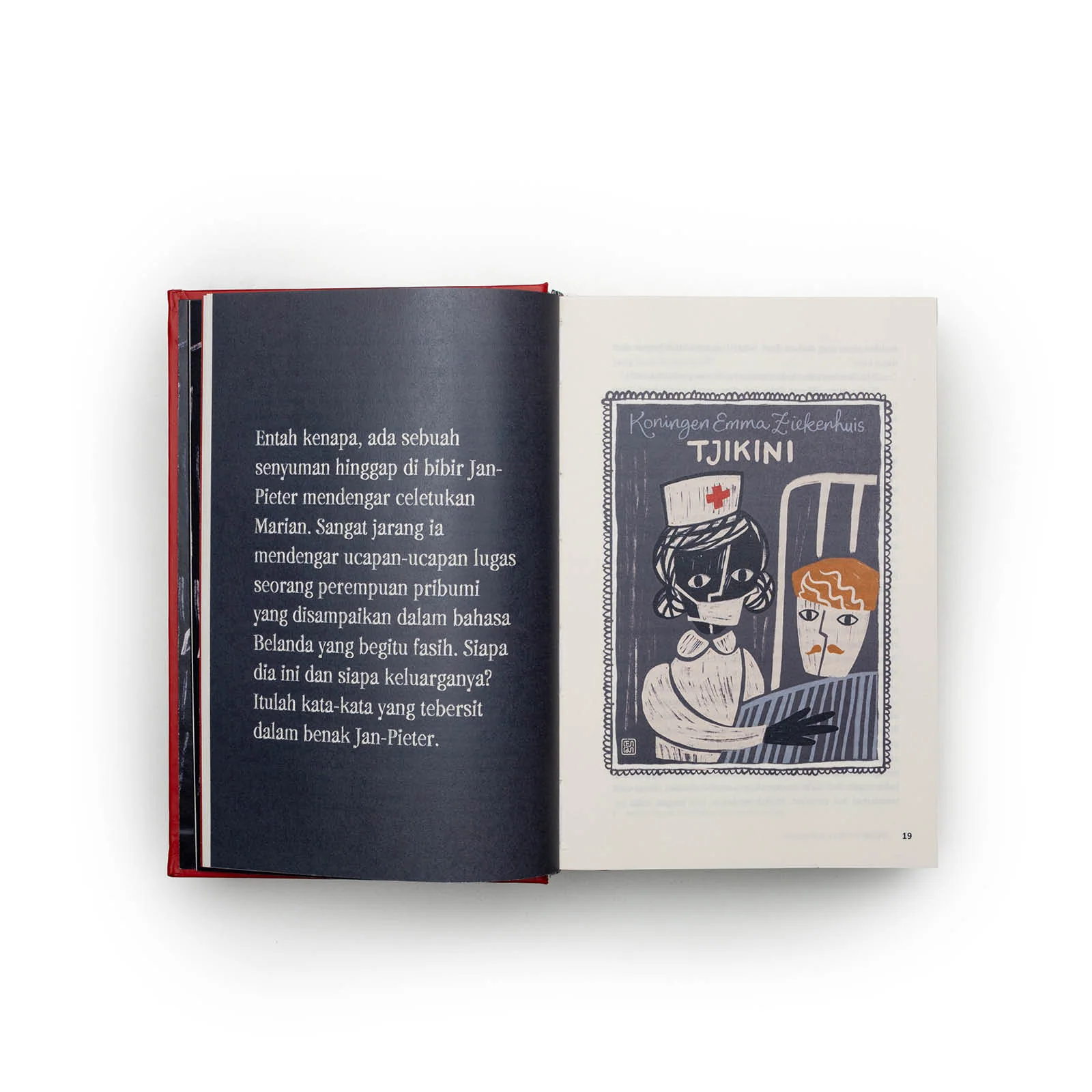
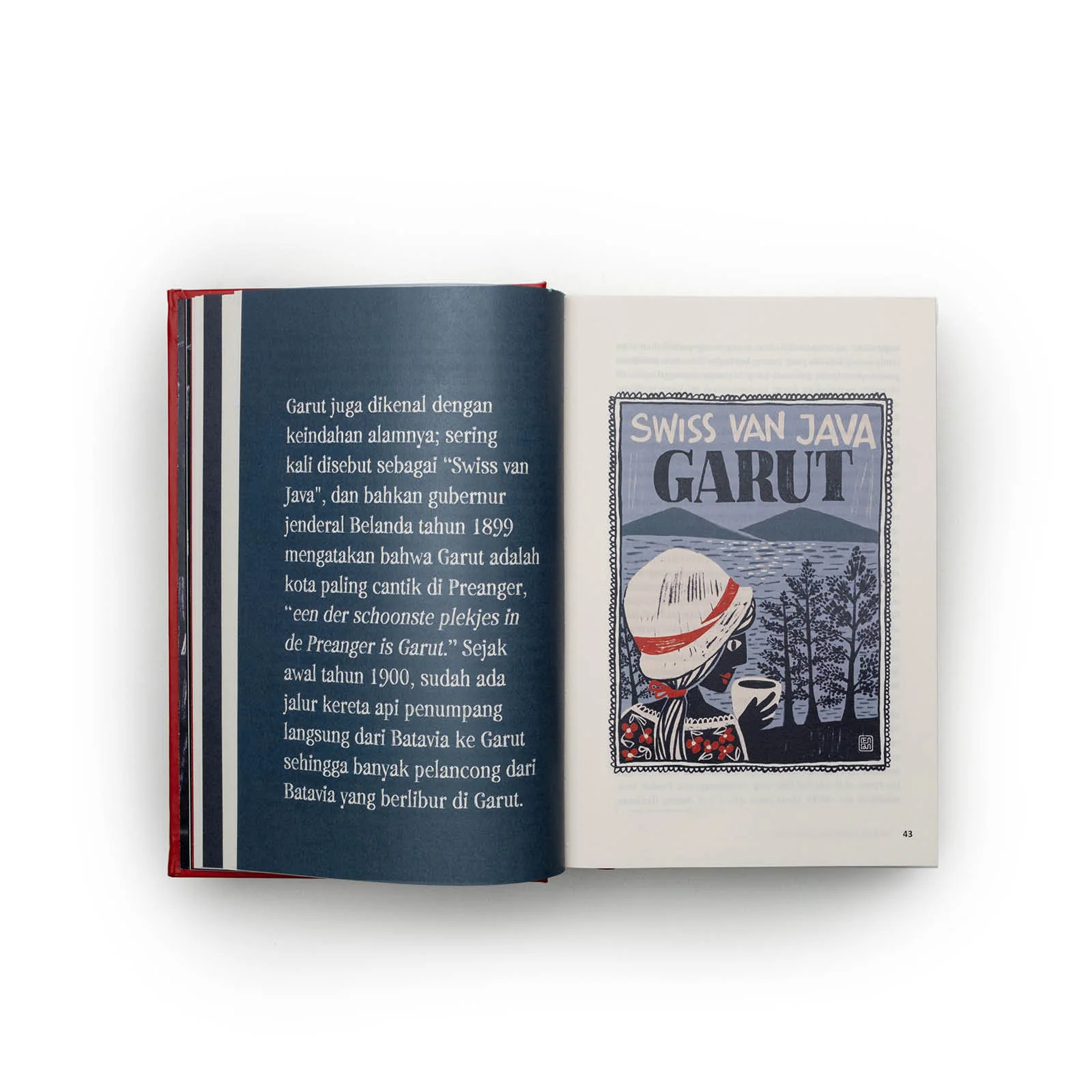
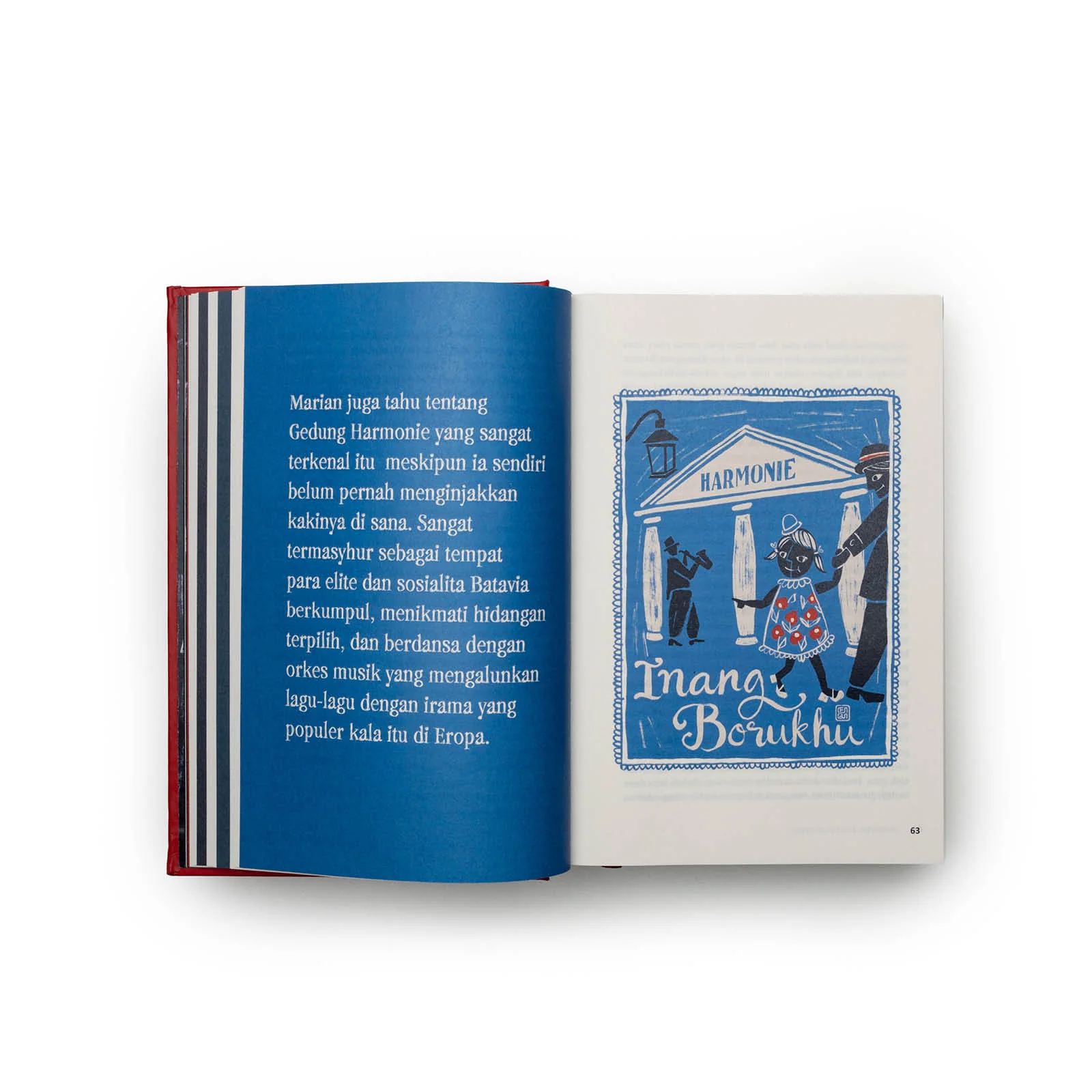
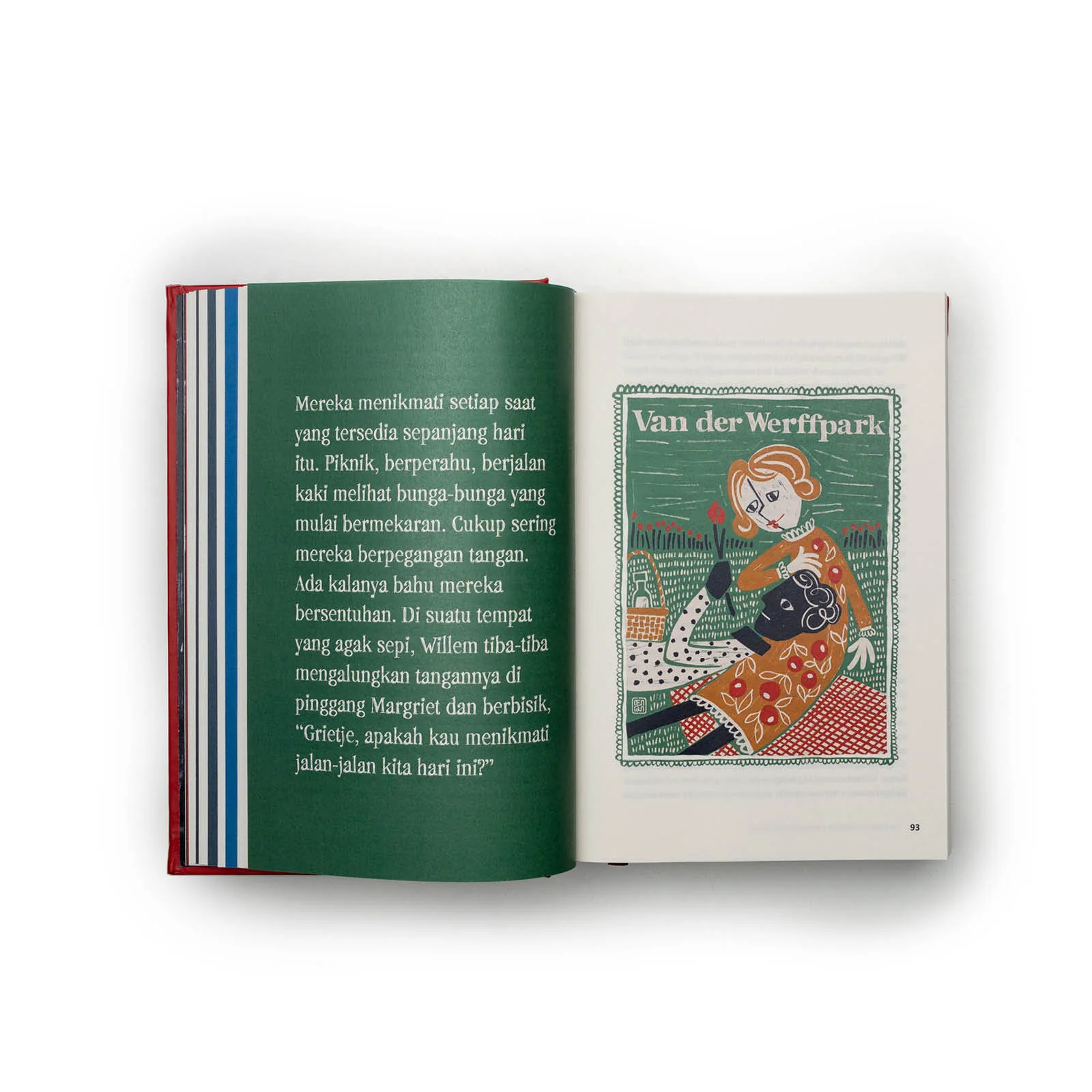
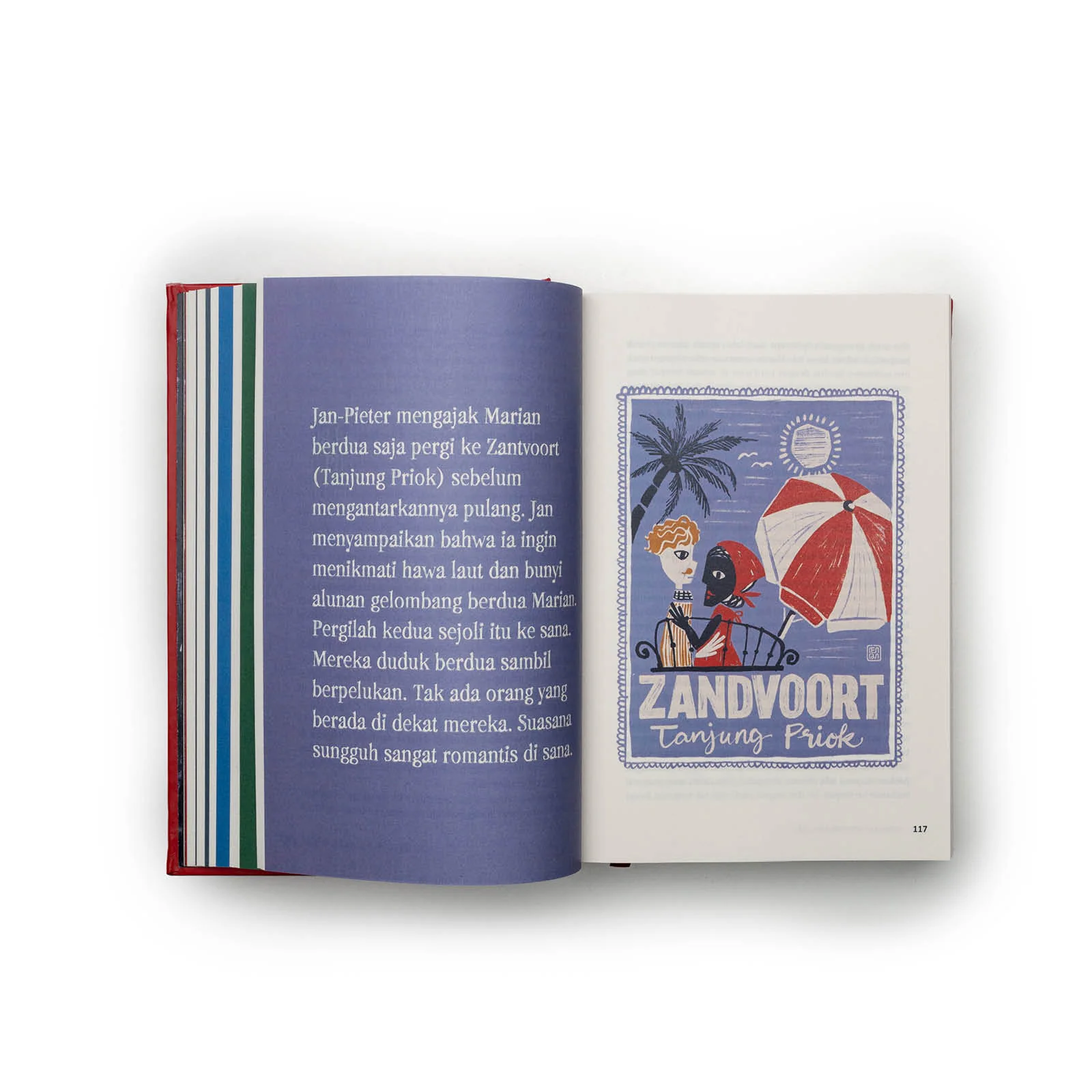
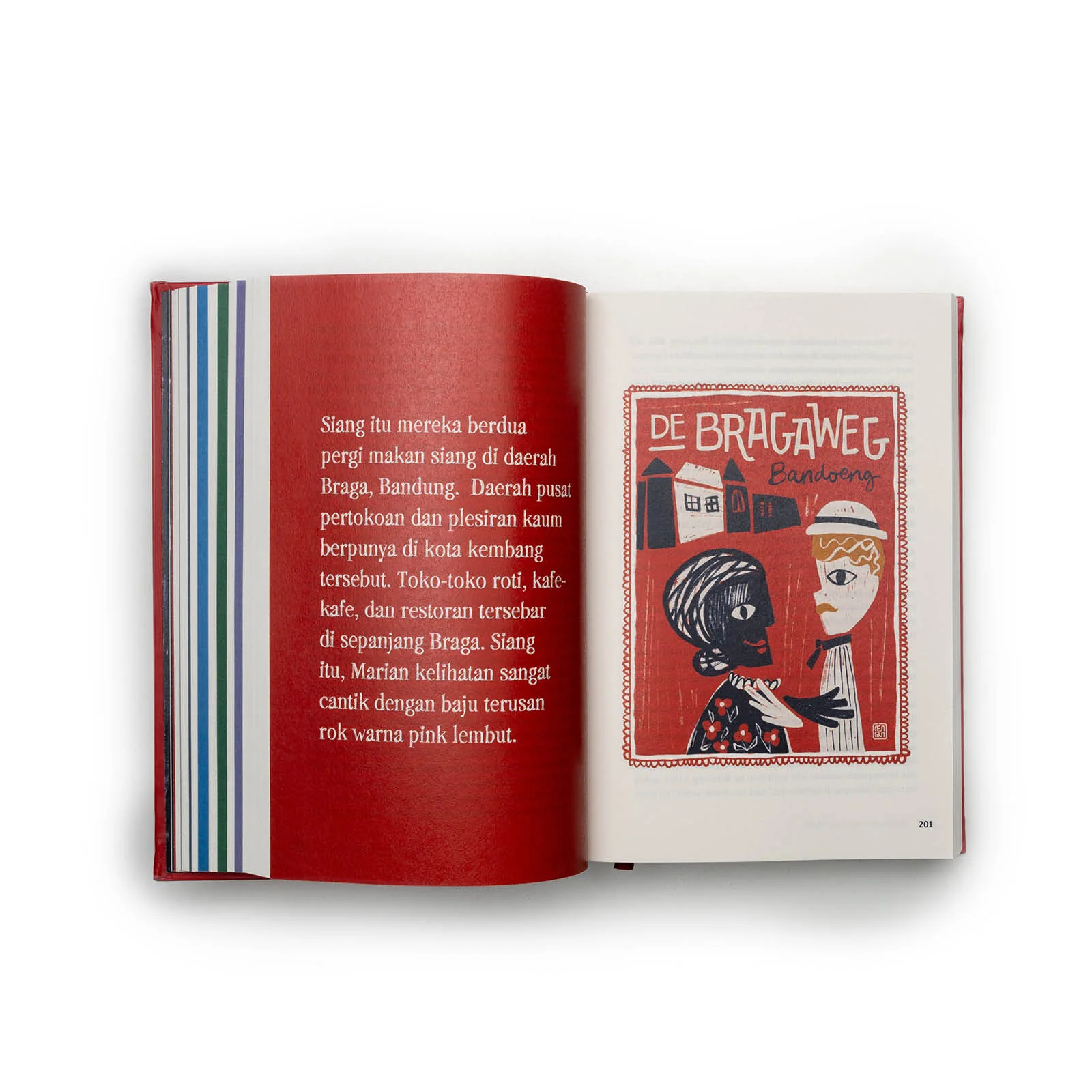
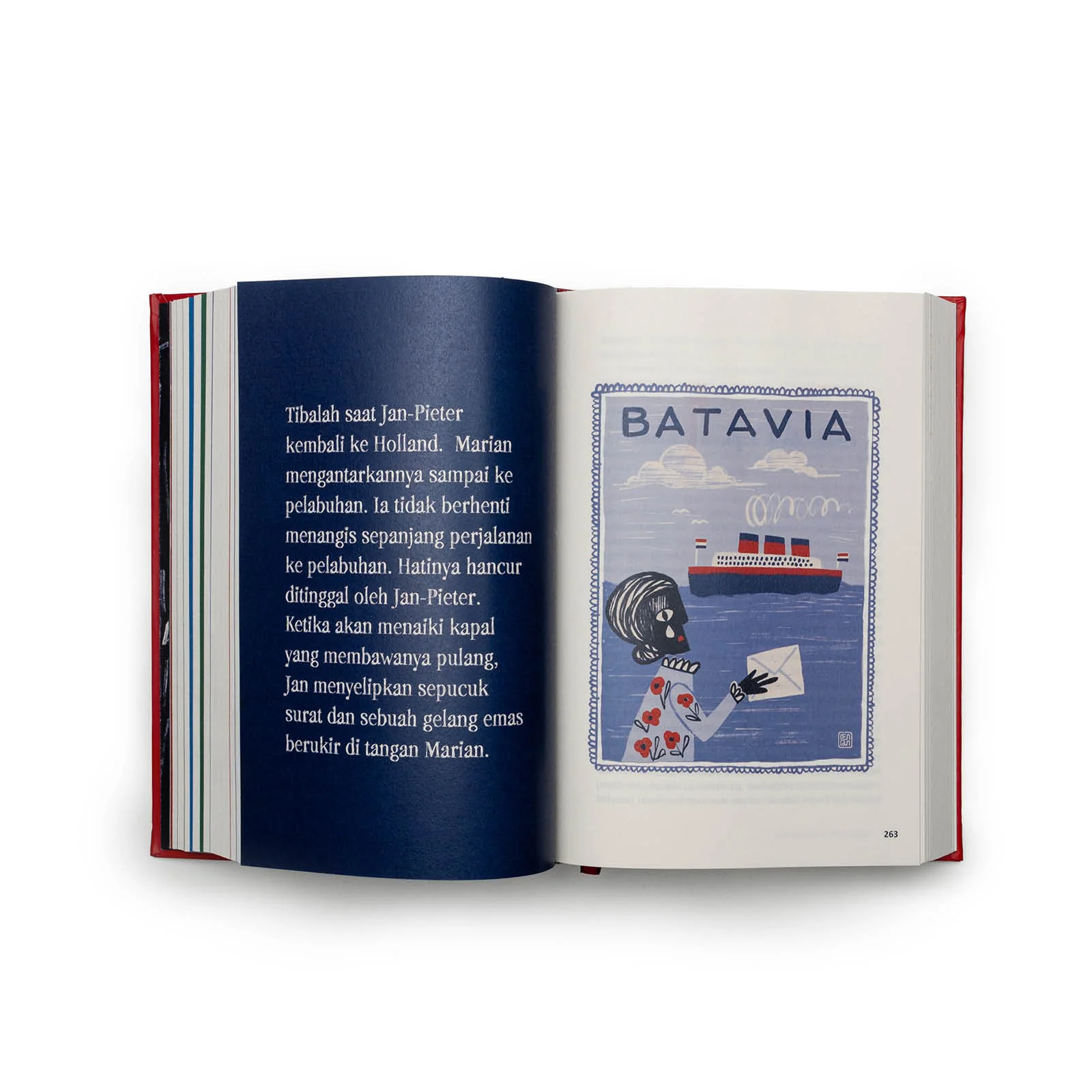
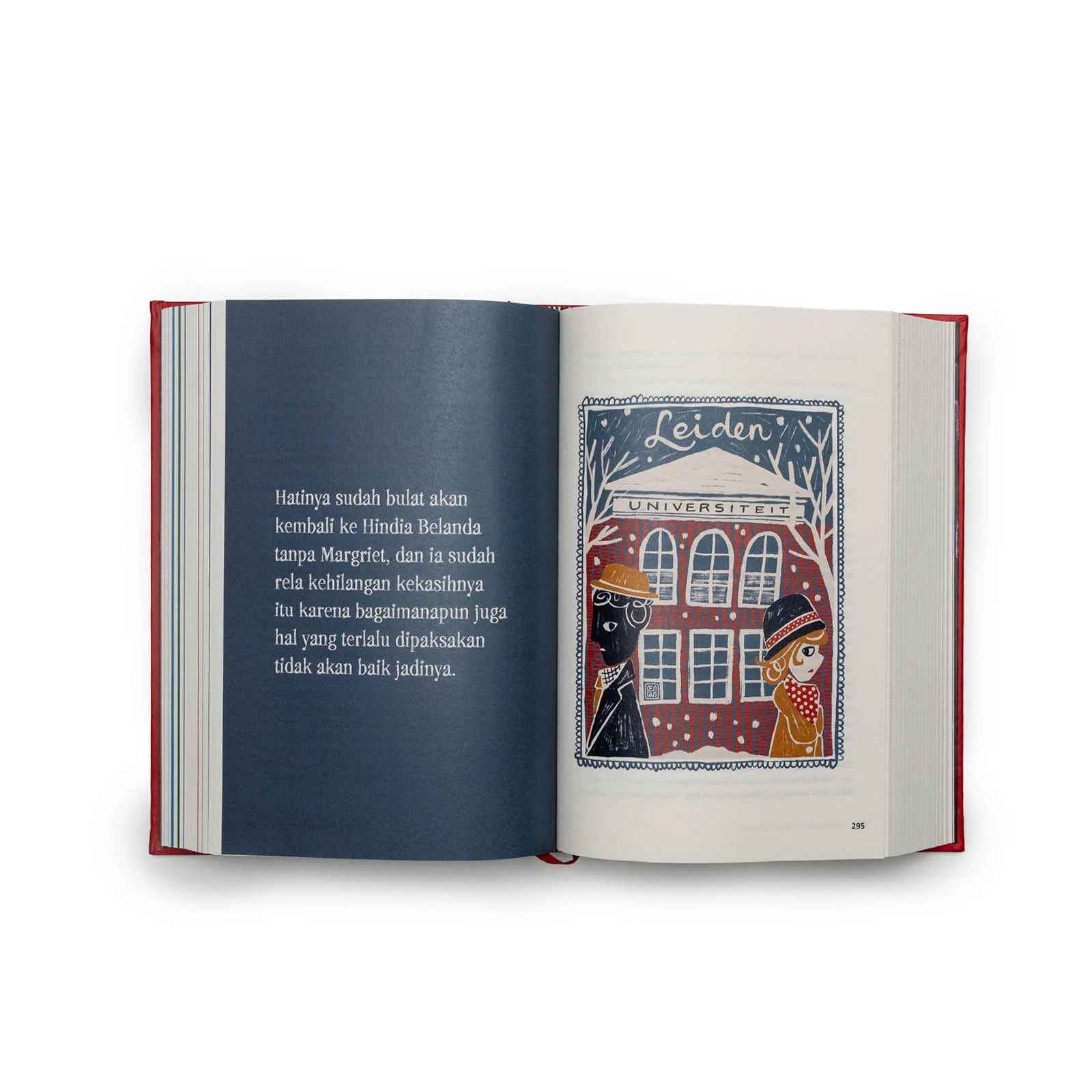
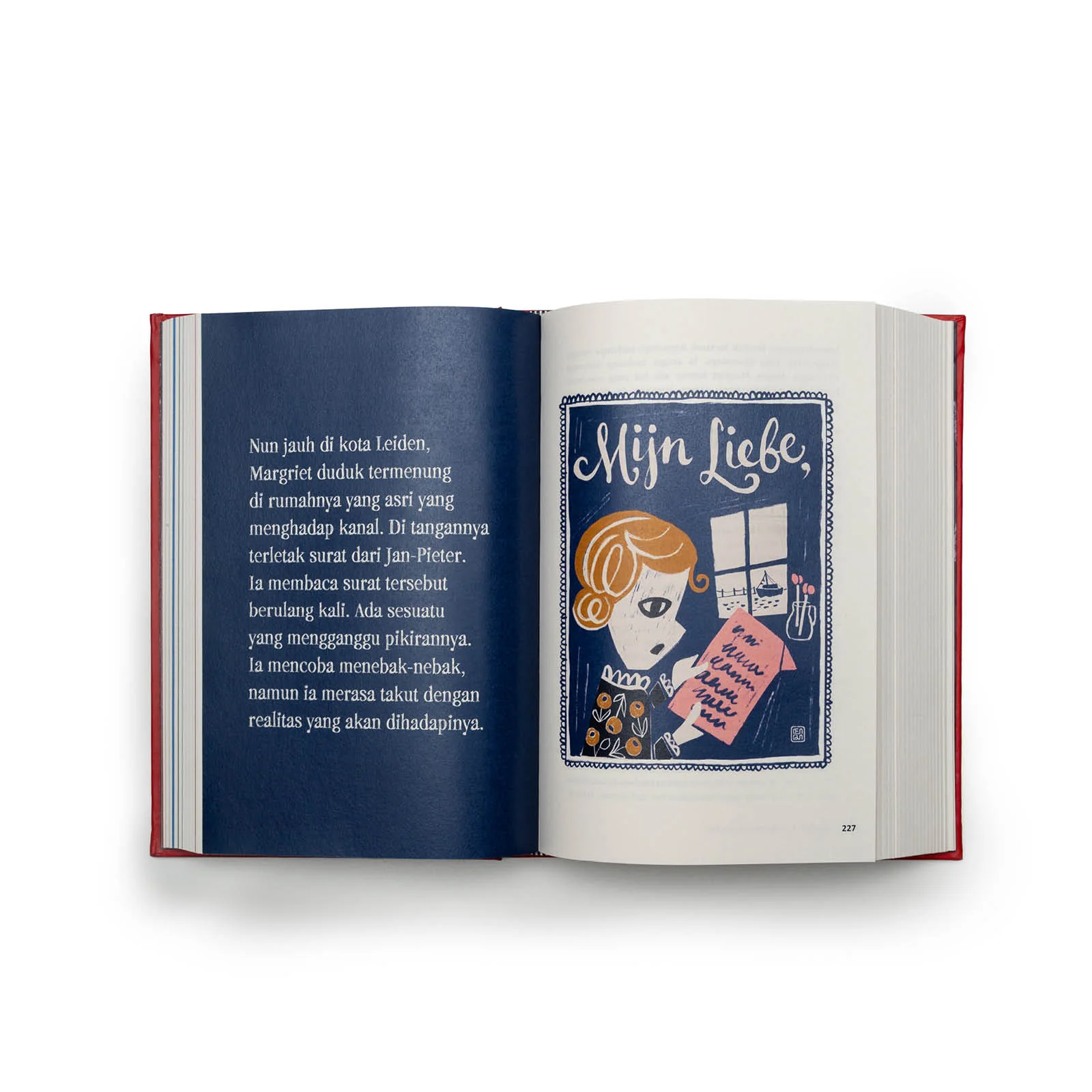
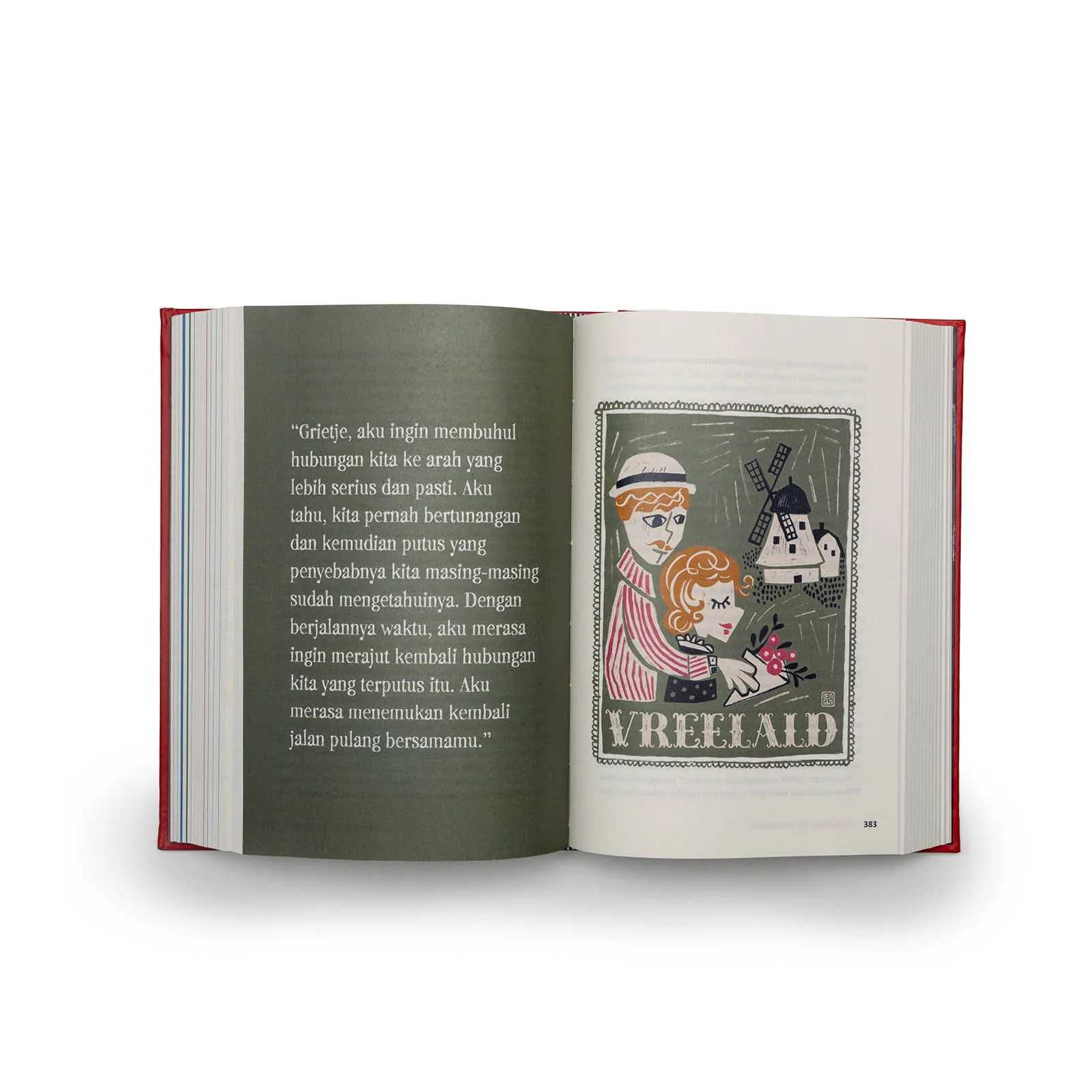
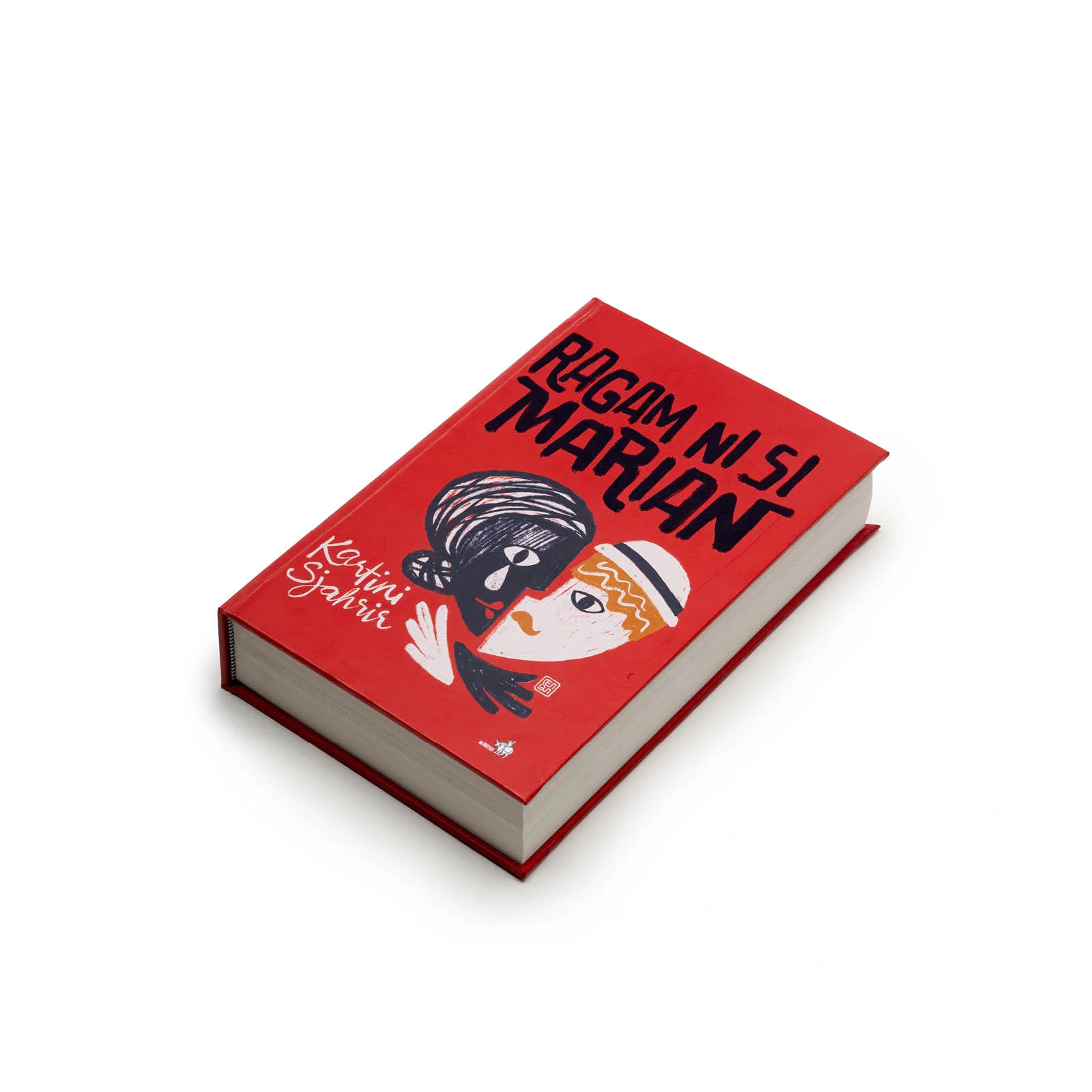
Collaborating with Melissa Sunjaya, a visual artist, adds an artistic dimension to this written work through book cover creations and twelve narrative illustration inserts.
Collaborating with Melissa Sunjaya, a visual artist, adds an artistic dimension to this written work through book cover creations and twelve narrative illustration inserts.
$52.25
Ragam Ni Si Marian—
$52.25
Product Information
Product Information
Shipping & Returns
Shipping & Returns
Description
The novel ‘Ragam Ni Si Marian’, written by Kartini Sjahrir, based on research conducted in the Netherlands and Indonesia, is a work of fiction interwoven with social, political, economic, and inter-racial conflict facts during the colonial period from 1900 to the post-independence year of 1956. In this novel, Kartini explores various essential themes such as civil rights, the role of women, and the influence of Dutch culture. Through a dynamic narrative, she depicts the complexity of colourful human relationships during that era. Kartini’s sensitivity in combining fiction with anthropological analysis provides a lens for understanding crucial aspects of Indonesian history and social life.
The main character is Marian Hasibuan, a native woman of Batak and Sundanese descent, raised in a wealthy family with a Dutch education and extensive social interactions in European society. Marian falls in love with Jan-Pieter, a Dutch youth working in the coffee plantations of Priangan. Their love story faces significant obstacles, given the social circumstances of that time.
Collaborating with Melissa Sunjaya, a visual artist, adds an artistic dimension to this written work through book cover creations and twelve narrative illustration inserts.
Collaborating with Melissa Sunjaya, a visual artist, adds an artistic dimension to this written work through book cover creations and twelve narrative illustration inserts.